STEEL INDUSTRY
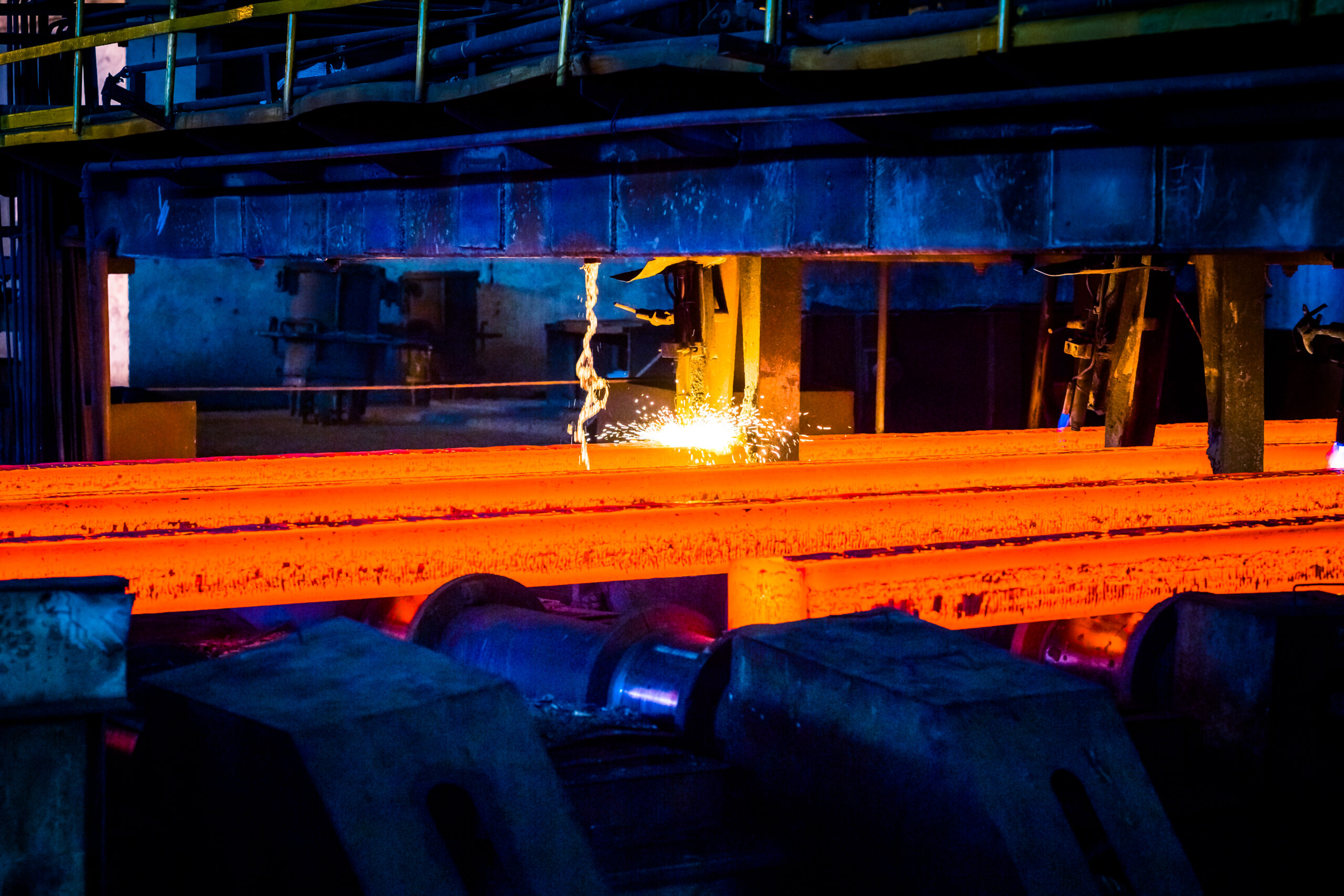
STEEL INDUSTRY
Bearings are a critical component in steel rolling mills, but their consumption is high due to harsh operating conditions like high temperatures, heavy loads, and contamination. To mitigate this, mills use specialized bearings such as four-row tapered roller bearings and spherical roller bearings with advanced sealing and lubrication systems like oil/air lubrication. The high consumption is addressed by these tailored solutions that enhance durability, minimize wear, and improve reliability, though lower- capacity mills may still use simpler, cheaper slider bearings that require more frequent replacement.
Factors influencing bearing consumption
Operating conditions:
Steel mills subject bearings to extreme temperatures, heavy loads, and contamination from dust, steam, and water, leading to rapid wear and tear.
High speeds and loads:
The high-speed rotation and immense pressures of rolling processes put significant stress on bearings, requiring a high dynamic load rating to handle both normal operation and shock loads.
Frequent start-stop cycles:
Bearings must withstand repeated cycles of rapid acceleration and deceleration, placing a premium on their strength and durability.
Bearing type:
Simpler slider bearings, often used in low-capacity mills, have high friction, higher power consumption, and a shorter lifespan, requiring frequent replacement.